

Home energy, built for your channel
Woolii equips residential solar installers and energy distributors with a branded home-energy system: LiFePO4 storage, solar, inverters and off-grid kits with transparent specifications and compatibility support.
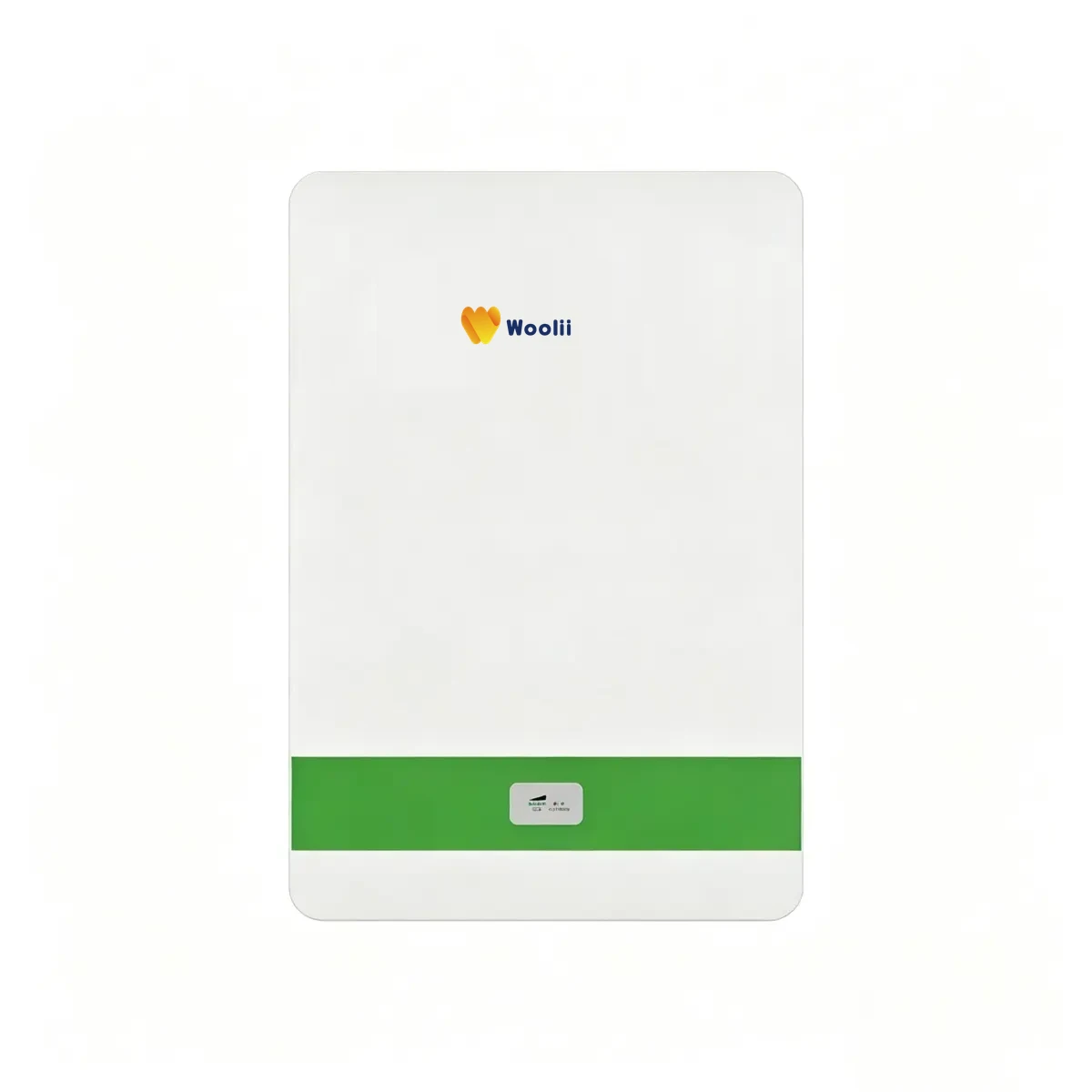
One brand, the whole energy system
Batteries, solar, inverters and complete off-grid kits — engineered to work together, sold through your channel.
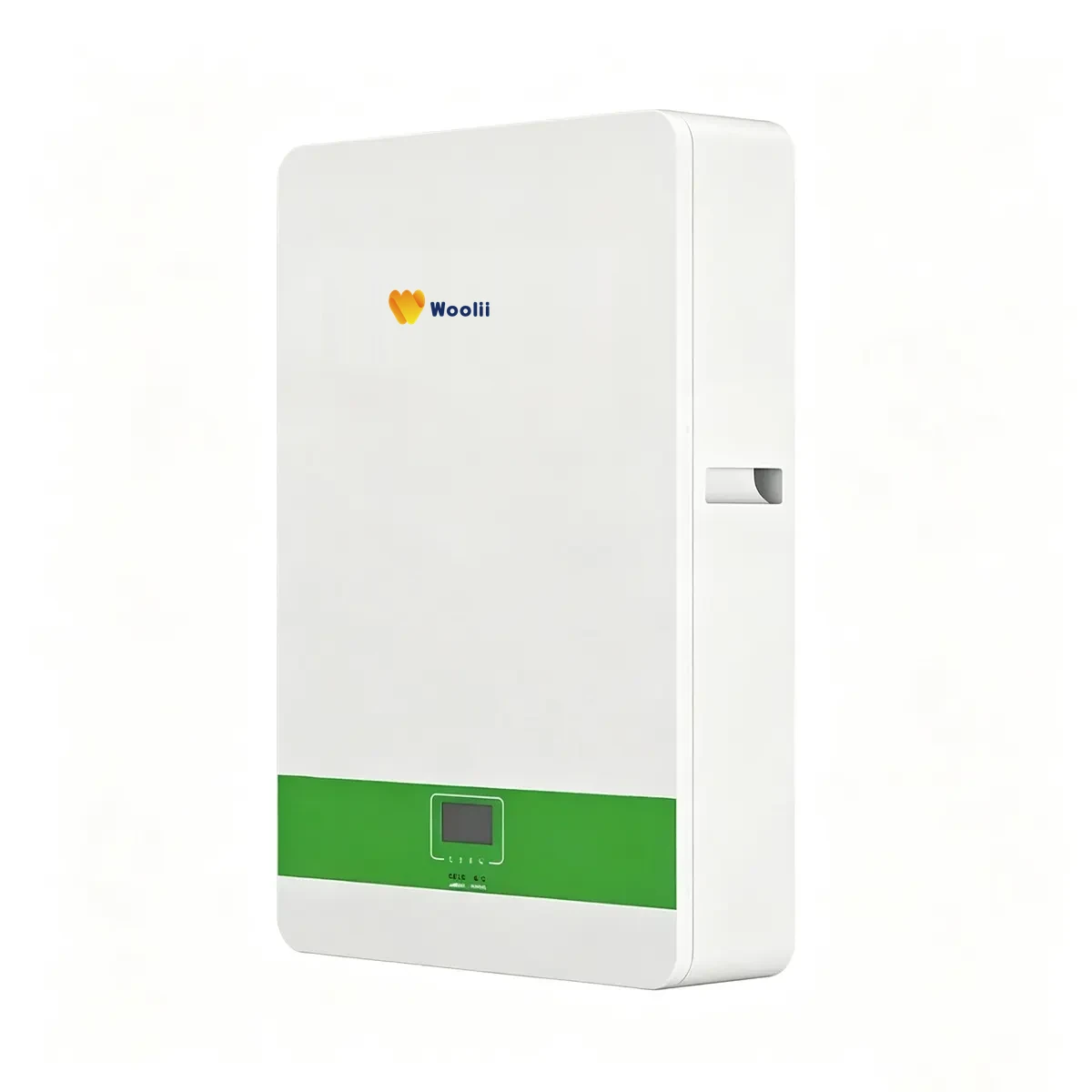 IP65 OUTDOOR
Storage Wall Series — Wall-Mounted LiFePO4 Home Battery (2.56–14.34 kWh)
Wall-mounted LiFePO4 home battery in four capacities from 2.56 to 14.34 kWh (48 V / 51.2 V). Slim wall-hung housing, safe iron-phosphate chemistry, parallel expansion, and an IP65 outdoor option — engineered for everyday energy independence.
View details →IP65 OUTDOORSEN-051200 IP65 Power Storage Wall
Outdoor-ready 51.2V 200Ah LiFePO4 wall battery for residential solar storage projects.
View details →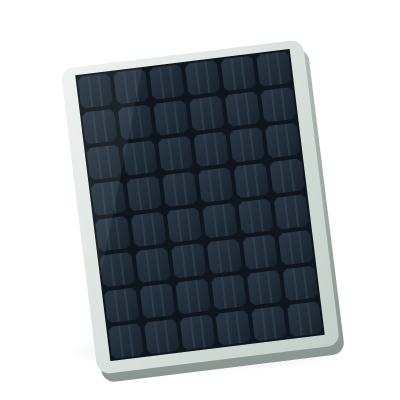
Solar Panels — Monocrystalline PERC / N-Type TOPCon (400–620 W)
High-efficiency monocrystalline modules: P-type PERC (up to 21.5%) and N-type TOPCon (up to 23%), monofacial and bifacial. Flexible, foldable and heating variants available for special applications.
View details →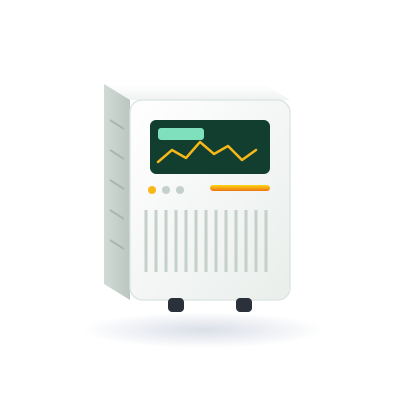
Hybrid Inverters — Huawei & Deye
We integrate the inverter brands installers and homeowners trust — Huawei SUN2000 and Deye SG-series. Single-phase 230 V (European standard), off-grid and hybrid modes, with LiFePO4 battery communication and WiFi monitoring.
View details →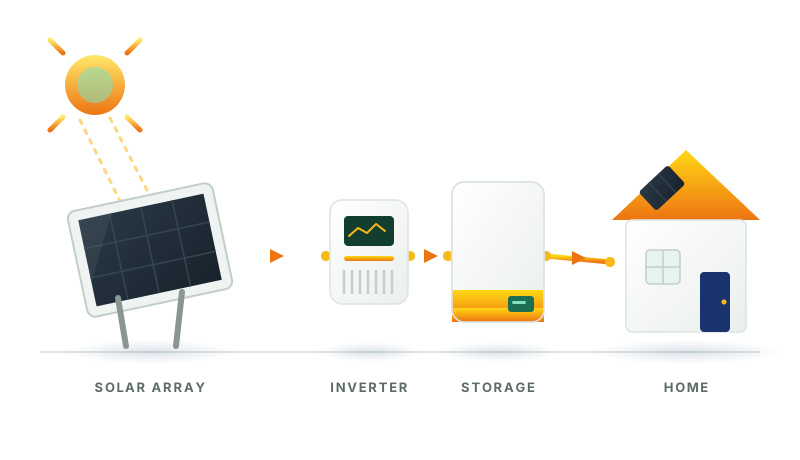
Off-Grid Solar Systems (5.5–16 kW Turnkey Kits)
Complete off-grid solar kits for European-voltage homes: monocrystalline panels + off-grid/hybrid inverter + LiFePO4 storage + balance-of-system (PV cable, MC4, mounting, WiFi monitoring). Free electrical and mounting design with every system.
View details →Built like infrastructure, designed like furniture
Every Woolii decision starts from the same question: would we hang this on our own wall?
Lithium iron phosphate cells — the most thermally stable home-storage chemistry. No cobalt, no compromise on safety margins.
Cycle life stated with its test conditions. Capacity stated at usable depth of discharge. If a number is on our datasheet, it was measured.
A slim wall-hung housing that installs in tight spaces, with parallel expansion when the household grows.
IP65 outdoor option, standard mounting pattern, and communication with mainstream hybrid inverters over CAN and RS485.
Grow with a brand your customers can trust
Woolii sells through partners, not around them. We build the product and the brand; you own the customer relationship.
Clear regional agreements — we don't sign three dealers on one street.
Transparent lead times and tiered pricing, quoted within 24 hours.
Datasheets, installation guidance and compatibility support direct from our engineers.
Straight answers on home energy storage
Sizing, shipping, grid rules, chemistry — written for the people who buy, install and live with home batteries.
Round-trip efficiency on a home battery: what the number measures, and what it leaves out
Round-trip efficiency is the share of energy a battery returns on discharge — but the percentage only means something when you know the boundary it was measured at. This guide separates DC and AC round-trip figures, shows where the losses actually occur, and gives installers the questions to ask before quoting a number to a customer.
Read the guide →The EU Batteries Regulation for installers and distributors: what you must be able to show, and when
Regulation (EU) 2023/1542 attaches duties to your role in the supply chain, not your job title. A practical map of importer, distributor and installer obligations, the documents to collect per SKU, and the dates to plan for.
Read the guide →Charging a home battery in the cold: why 0 °C matters and how installers plan for winter
A LiFePO4 home battery can usually discharge in freezing weather, but charging it below 0 °C is a different question — charging below freezing can plate lithium onto the anode and permanently cut capacity. A practical guide for installers: what the 0 °C line means, what an IP65 rating does and does not promise about temperature, how the BMS handles a cold charge, and the winter checklist to run before commissioning.
Read the guide →